When to Splurge vs. Save in Interior Design
There’s a moment in every design project when the conversation turns to budget allocation, and clients grapple with a fundamental question: where should their investment truly lie? After more than a decade designing homes, I’ve found that the most successful interiors aren’t the most expensive – they’re the most considered. Especially in Brussels homes, where architecture carries so much character, the way you allocate your budget has a lasting impact on how the space feels and evolves over time. The goal isn’t to spend more, but to spend with intention.
In this post, I’m sharing the investment approach we use at Haven Interiors to create homes that feel layered, personal, and enduring, rather than something that looks finished for a moment, but doesn’t hold up over time. Before getting into specifics, one principle underpins every decision: it’s always better to invest in fewer, well-chosen pieces than to fill a space with many that don’t quite work. That’s what creates homes that feel settled, cohesive, and genuinely yours.

Where to Invest
Custom Built-Ins and Millwork
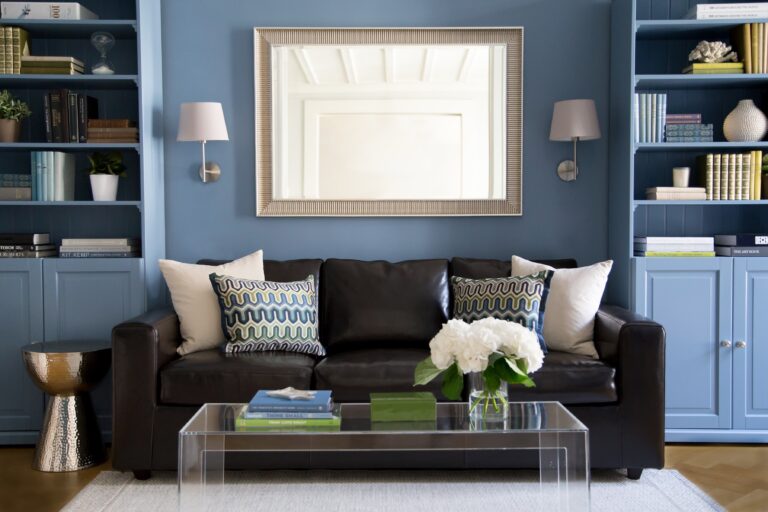
If there’s one area where investment consistently pays off, it’s in custom storage and architectural detailing. In Brussels homes especially, where original features often set the tone, well-designed millwork has the ability to bridge old and new, adding function while reinforcing the architecture rather than competing with it. We’re currently working on a full house renovation where custom built-ins in the home office transform a previously empty wall and provide generous storage while echoing the proportions and detailing of the original house.
Investment range: €3,000-8,000 per linear meter for quality custom work
Why it’s worth it: Perfect fit, quality materials, adds property value, timeless appeal
Upholstered Seating
Your sofa is one of the hardest-working pieces in your home, and one of the most noticeable when it’s not quite right. Investing here allows you to get the scale, comfort, and proportions exactly right for your space, something that’s especially important in smaller or more complex layouts. A well-made piece will hold its shape, wear in rather than wear out, and can be reupholstered over time as your home evolves. We often guide clients toward custom upholstery not just for the finish, but for the flexibility it offers. In many cases, it’s comparable in cost to higher-end retail, but far better suited to the room.
Investment range: €4,000-12,000 for exceptional quality
What to look for: Hardwood frame construction, eight-way hand-tied springs, down-wrapped cushions
Lighting Design
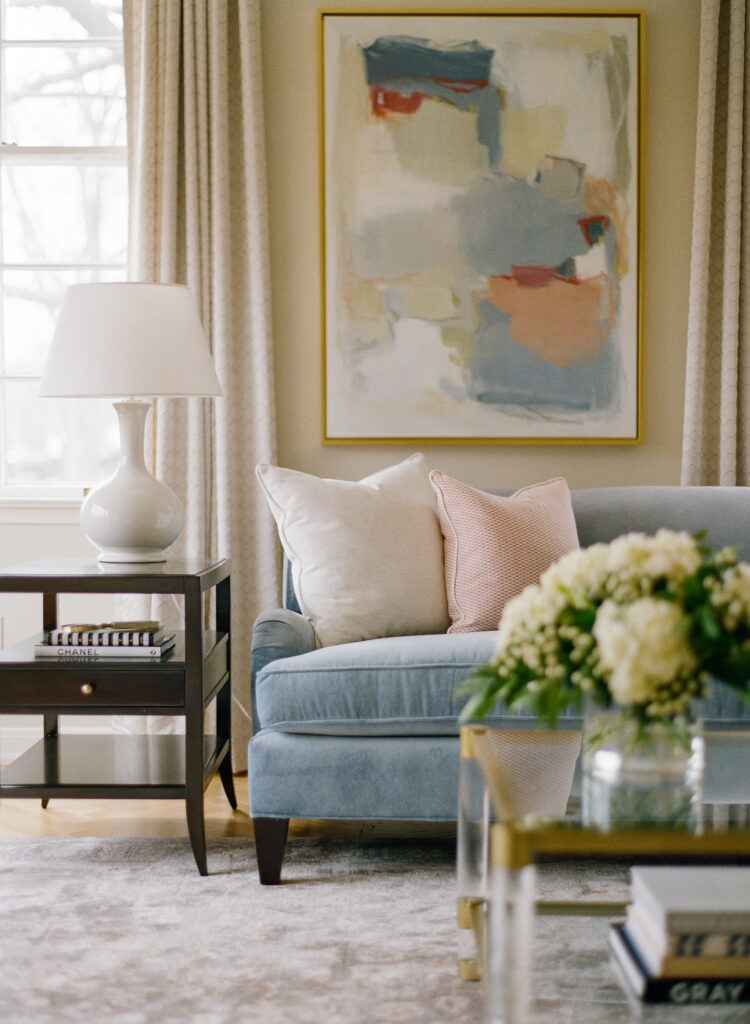
Lighting has the ability to completely shape how a space is experienced, however, it’s often the element that’s underestimated. In most projects, the focus isn’t on individual fixtures, but on creating a layered scheme that supports how the home is used throughout the day. This means combining ambient, task, and accent lighting, as well as a few well-chosen statement pieces to add definition and impact.
Investment range: 10-15% of your total design budget
Focus areas: Task and accent lighting, one exceptional statement fixture per major room
Flooring
Flooring is one of the most impactful—and hardest to change—elements in a home, which is why it’s rarely the place to compromise. In Brussels houses, we often prioritize restoring existing hardwood floors wherever possible. It preserves the character of the home and brings a depth that’s difficult to replicate with new materials. When new flooring is required, the focus is on materials that will age well and sit comfortably within the architecture, rather than something that feels overly new or disconnected. Because it runs throughout the home, flooring is a crucial design decision and investment worth making.
Investment range: €80-200 per square meter for quality materials and installation
Why it’s worth it: Long-term durability, adds property value, impacts every other design element
Where to Save Without Sacrificing Style
Window Treatments
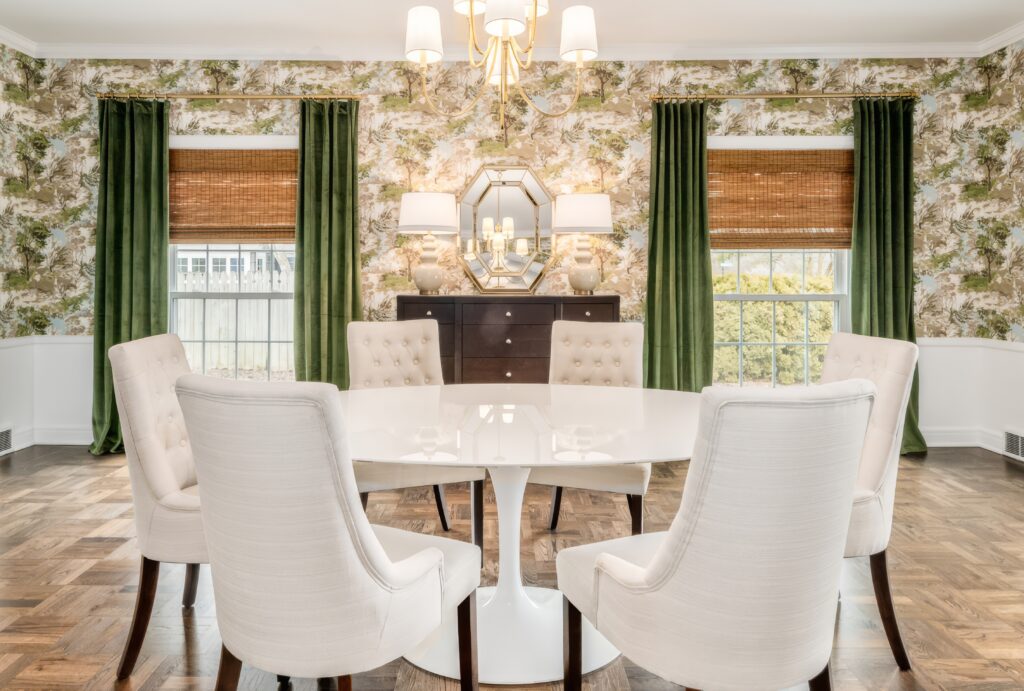
Custom-made window treatments create the most polished look for a space, but they don’t always have to break the bank. The cost of fabric is the largest component, so selecting a more budget-friendly option can significantly reduce the overall price. There are also excellent ready-made options that can be tailored to fit. We often do a mix throughout a home, using custom options in larger, highly used rooms and quality ready-made panels in children’s bedrooms or guest rooms.
Smart approach: Save on hardware and fabric choices to still get custom look, use ready-made panels where feasible
Decorative Accessories
Accessories should evolve with your life and changing tastes. Rather than investing heavily in decorative objects initially, we recommend starting with a few meaningful pieces and building your collection organically over time.
Smart approach: Choose one or two exceptional pieces per room, fill in with books, plants, and personal collections

Bedroom Furniture (Beyond the bed)
While your mattress deserves investment, bedroom furniture like nightstands and dressers can often be found at various price points without compromising style. Focus your budget on the bed frame and quality linens instead.
Smart approach: €500-1,500 per piece for solid wood or well-made alternatives
Why you can save: Less daily wear, easier to replace as tastes evolve, bedroom pieces get less visual scrutiny
Dining Table / Chairs
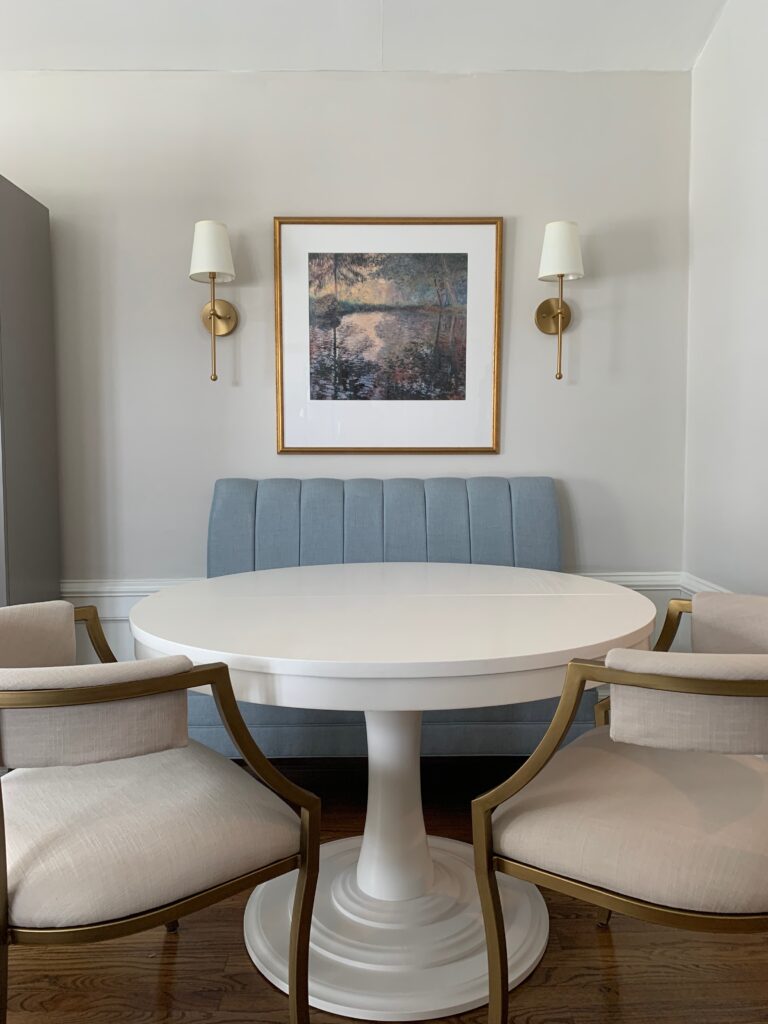
If you’re working with budget constraints, consider investing in either the dining table or chairs. We often mix more budget friendly tables with higher-end chairs when we want comfort seating. Alternatively, look for a vintage or antique dining table that fits your investment level and mix it with more affordable chairs. Remember, dining tables typically require 6-8 chairs, so the cost can add up quickly. Either way, aim to create visual interest with one statement element with the most impact.
Why you can save: Less daily use than living room seating, opportunity to mix styles creatively

The 70/30 Rule: A Framework for Smart Spending
We often recommend the 70/30 approach to our clients: invest 70% of your budget in timeless, high-quality foundational pieces, then reserve 30% for personality, trends, and pieces that can evolve with your changing tastes. This framework ensures your major investments will serve you well for decades, while still allowing room for the fun, personal touches that make a house feel like home.

Building Your Investment Strategy
Before getting started with your project (and well before you make any purchases), create a priority list for your space to identify your needs, project scope, and priorities. This strategic approach ensures every euro spent moves you closer to your design goals rather than simply filling space.
For a detailed framework on budget planning, check out our recent blog post: How to Plan a Budget for Your Interior Design Project, which walks you through the step-by-step process we use with all our clients.
If you’re working on a Brussels-area project, you may find our Brussels Interior Design Investment Guide particularly useful. It provides locally-relevant estimated ranges for furnishing and design investments, helping you plan your project with confidence while accounting for Belgian market conditions.
Ready to get started? Get in touch by completing our Design Inquiry and scheduling a complimentary Discovery Call.