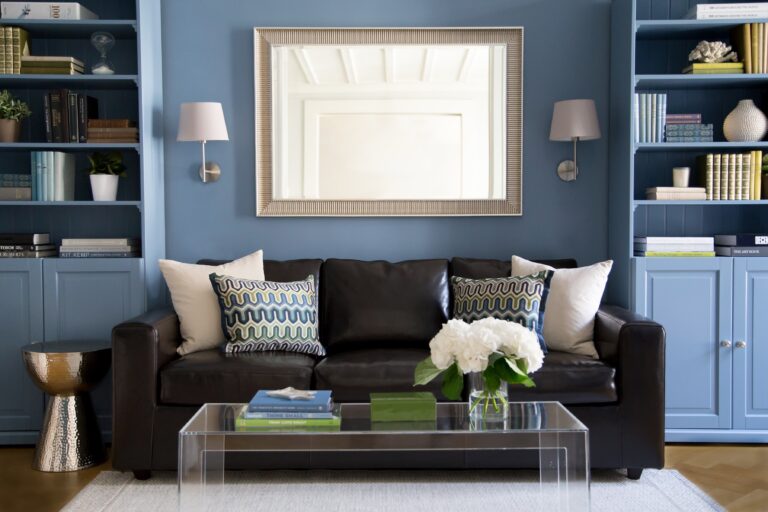
Finding your interior design style
I recently hosted a workshop for people who had recently relocated to Brussels, focused on how to thoughtfully approach designing a new home. We explored the foundational principles of interior design, and I shared my approach to guiding clients through renovation and full-service design projects.
One of the very first – and most important – steps is helping people identify their personal design style and understand how it can be translated to suit their home and lifestyle. This clarity becomes the anchor for every decision that follows. Beyond style, it’s equally important to define a clear vision for how you want your home to feel. When you’re grounded in both your style and your vision, the design process becomes far more intentional and far less overwhelming. These two elements create a framework that guides decision-making, reduces uncertainty, and keeps your project cohesive from the early planning stages through to final purchasing and styling.
Below, I’m outlining how you can identify your personal design style and set a clear, confident vision for your home.

1. Look at how you actually Live
Before thinking about aesthetics, start with your lifestyle. Your home should support the way you live day to day, not an idealized version of it. Ask yourself:
- How do you use your home during the week versus on weekends?
- Do you entertain often, or is your home primarily a retreat?
- Are there children, pets, or hybrid work needs to consider?
- Which rooms feel most important to get “right”?
This step ensures your design decisions are functional, realistic, and sustainable over time.
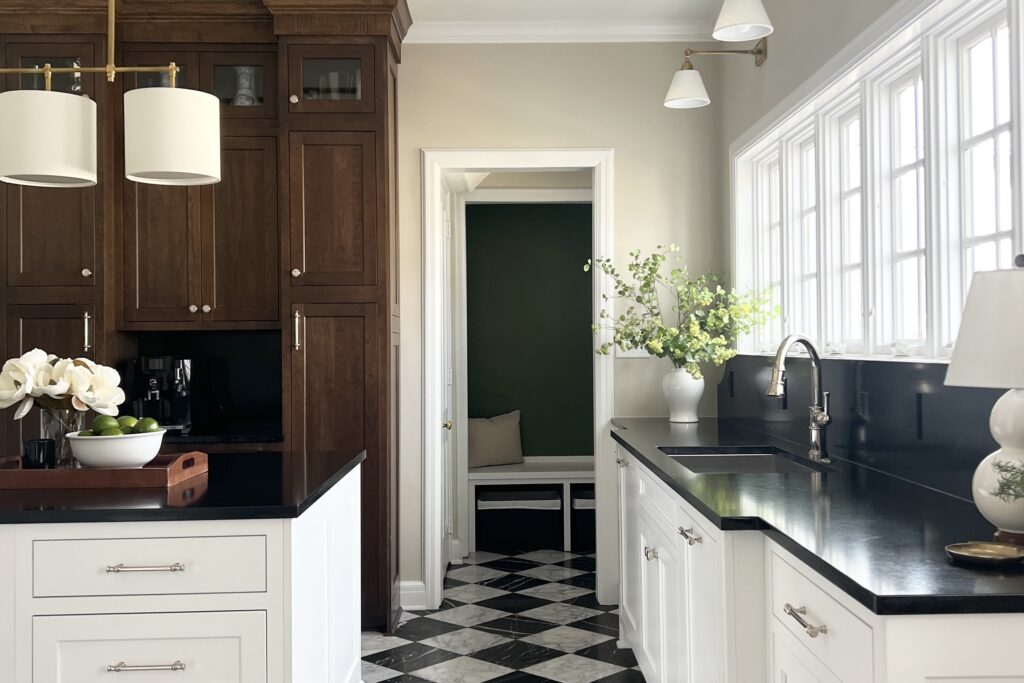
2. Collect Inspiration – Then edit Ruthlessly
Begin gathering visual inspiration from design books, magazines, Pinterest, Instagram, or saved photos from travels and past homes. At this stage, quantity is fine, but clarity comes from editing. Once you’ve collected a wide range of images, review them and look for patterns:
- Do you gravitate toward light or moody spaces?
- Clean-lined and minimal, or layered and textured?
- Traditional details or contemporary forms?
Eliminate anything that feels beautiful but impractical for your lifestyle or space. What remains is often the clearest reflection of your true style.
3. Identify the common threads
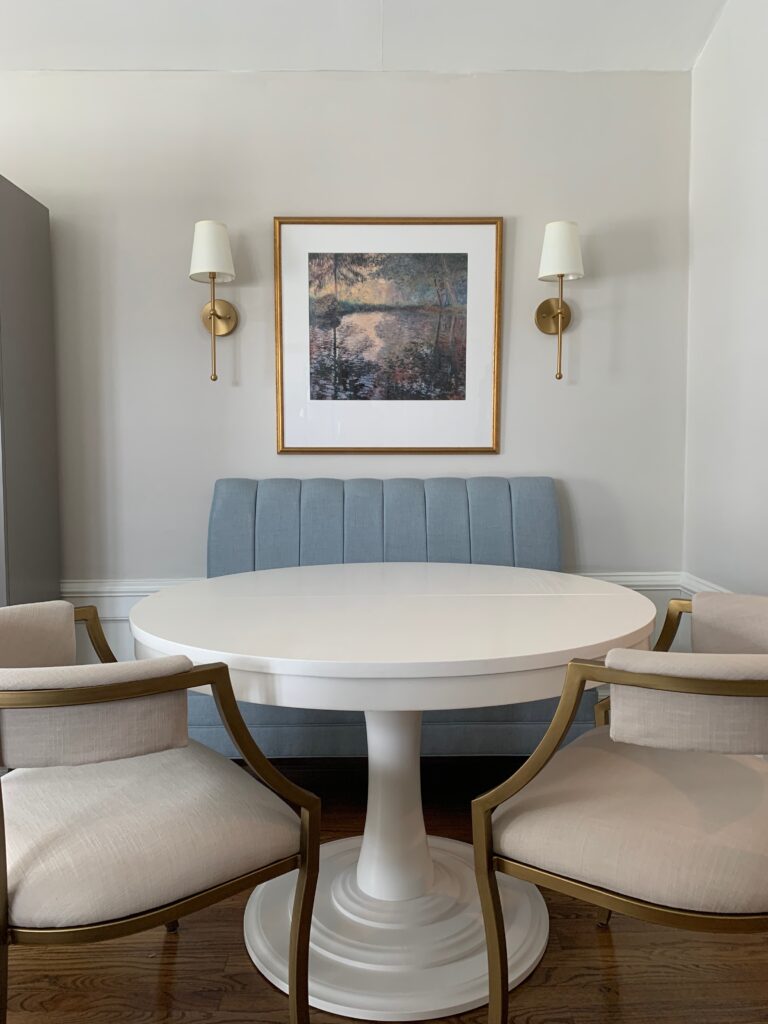
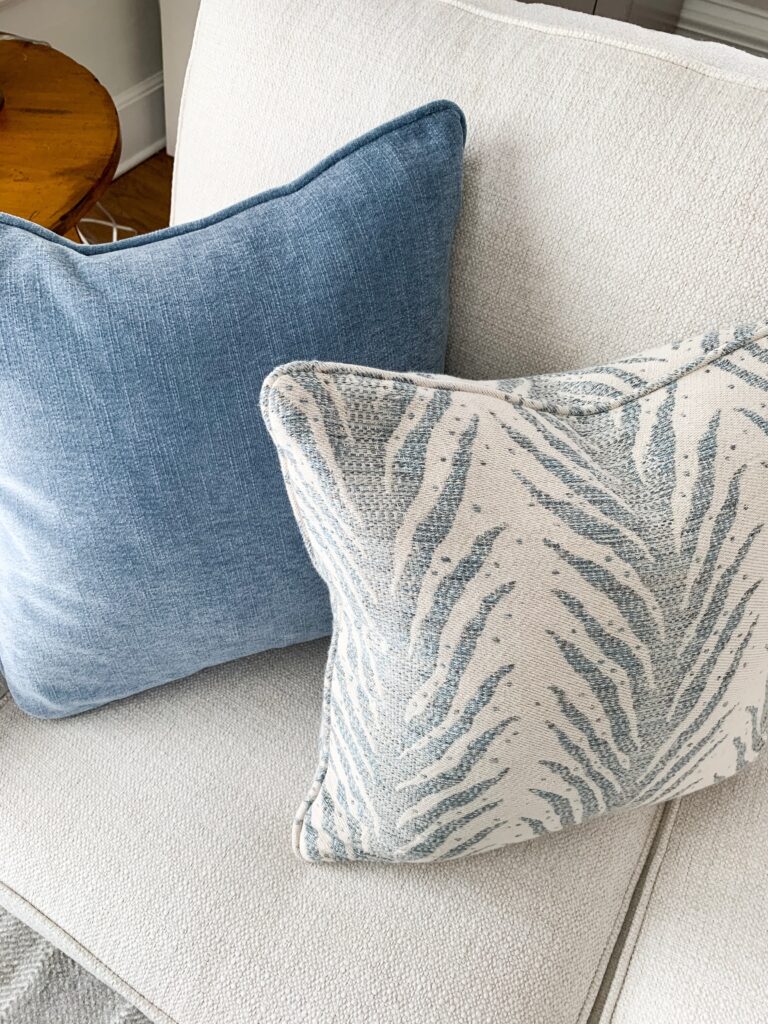
Now it’s time to translate inspiration into something actionable. Look across your edited images and name what consistently appears.
Focus on:
- Materials (wood, stone, plaster, metal)
- Color families (warm neutrals, deep tones, soft pastels)
- Architectural details (arches, moldings, clean lines)
- Overall mood (calm, refined, cozy, dramatic)
This step is where your personal style starts to take shape. You may find you’re more drawn to traditional or modern, minimalist or maximalist, rustic or glamorous, vintage or contemporary. Focus less on the label, and more on the common themes.
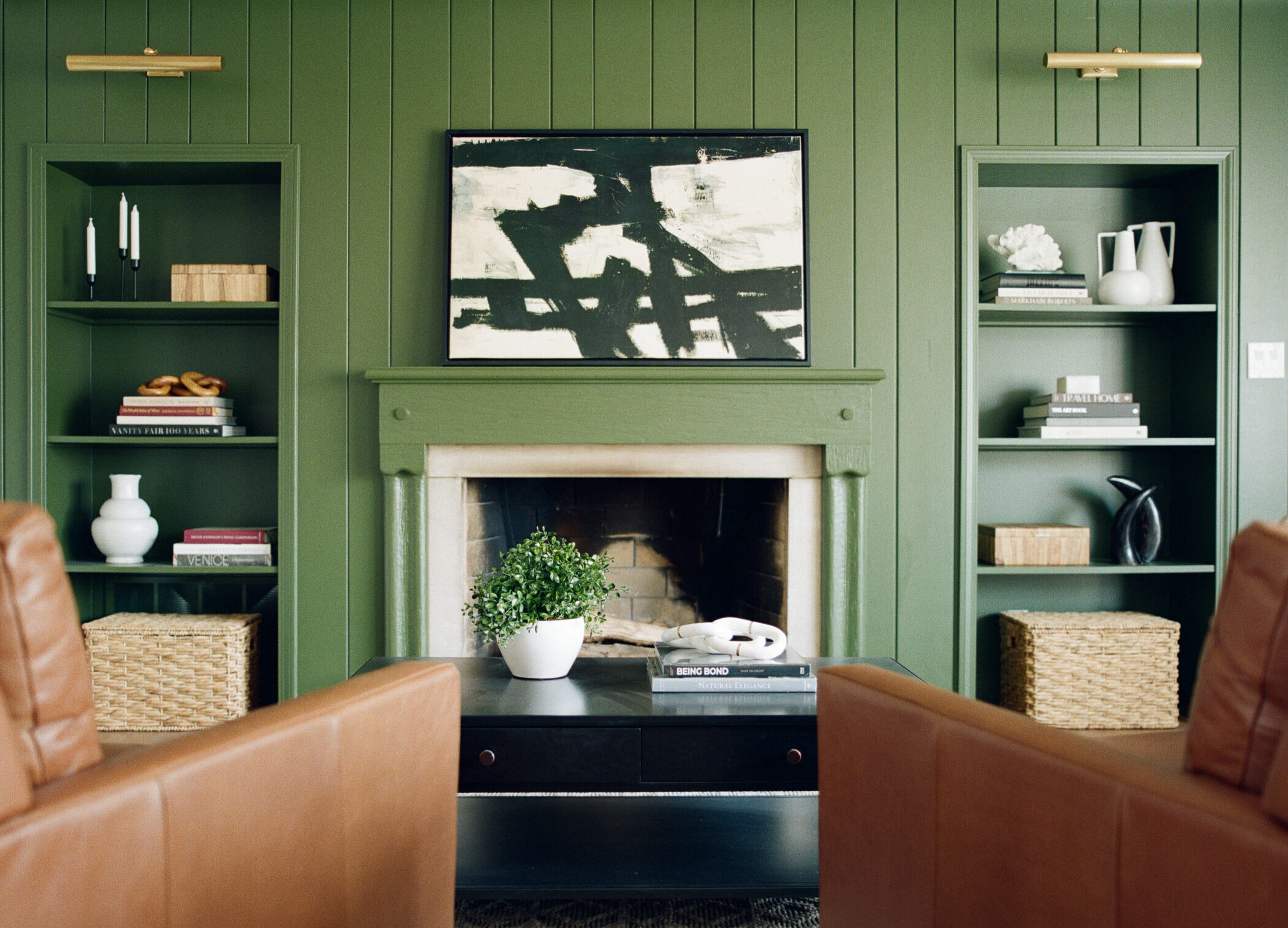
4. Define how you want your home to feel
Style describes how a space looks; vision defines how it feels. This emotional layer is what turns a well-designed home into one that truly supports you.
Choose three to five words that capture the feeling you want to experience in your home. For example:
- Calm
- Grounded
- Warm
- Elevated
- Inviting
Use these words as a filter for every decision. If something doesn’t support your vision – even if it’s beautiful – it likely doesn’t belong.
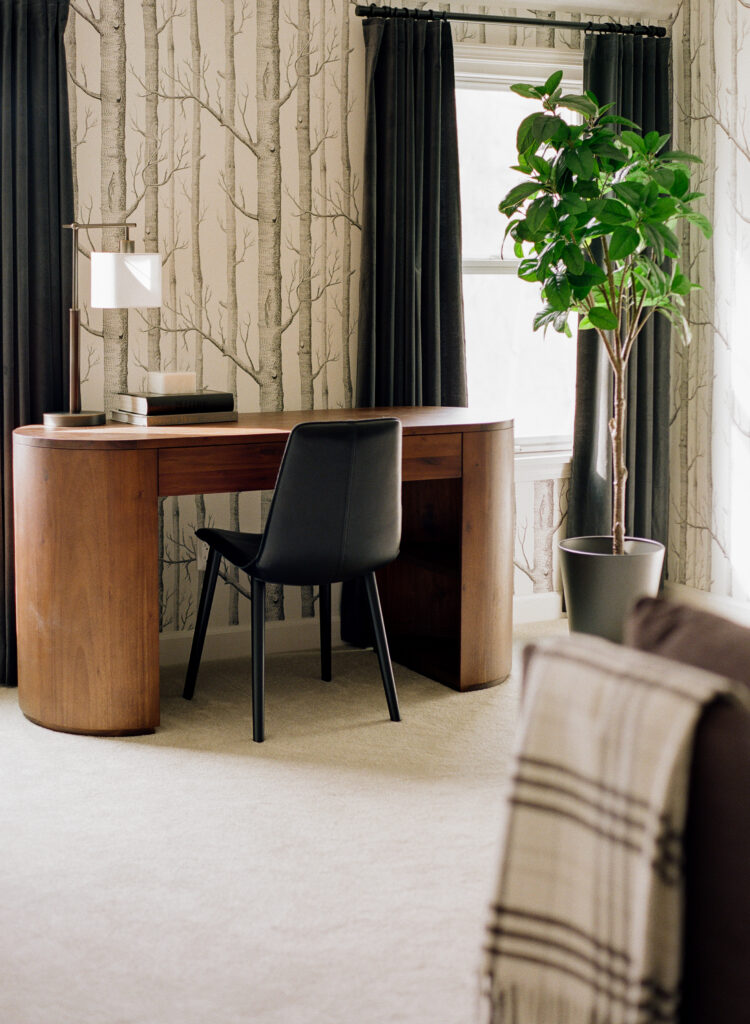
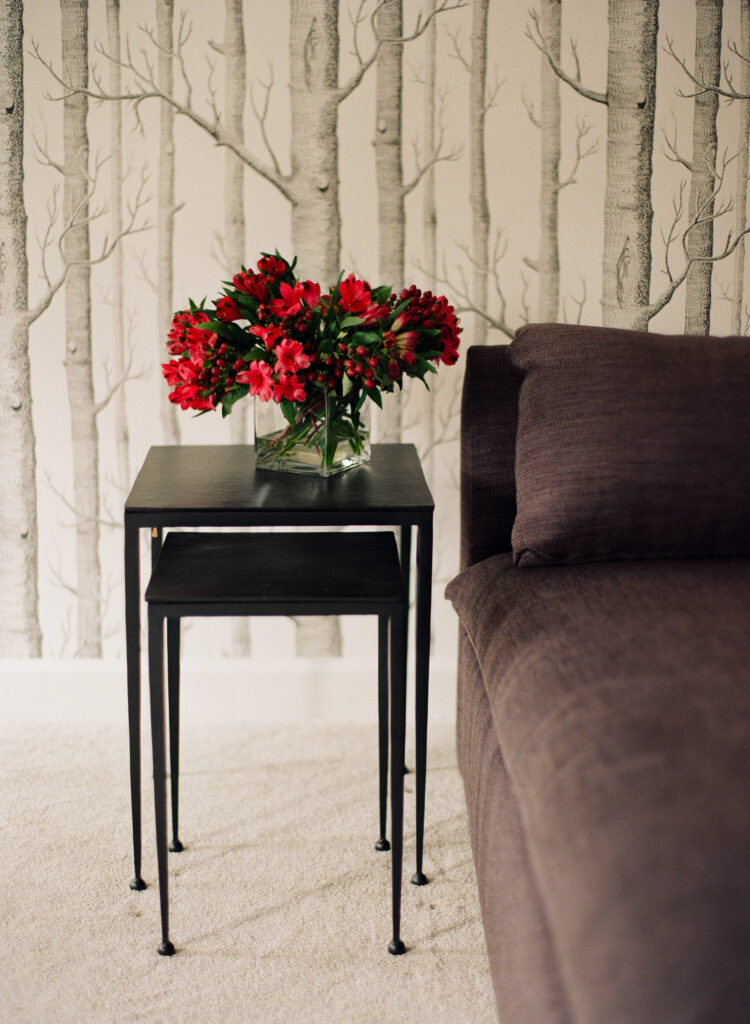
5. Translate your vision into design guidelines
The final step is turning abstract ideas into clear direction. This is where many projects succeed or fall apart. Create a simple set of guidelines for yourself:
- A short style description (e.g., “warm modern with classic European details”)
- Your vision words
- Key materials and finishes
- A loose color palette
- Notes on what to avoid
Having this framework makes decision-making faster, reduces second-guessing, and keeps your project cohesive from planning through to final styling.
Final Thought
Identifying your personal design style and setting a clear vision isn’t about following trends or fitting into a predefined category. It’s about creating a home that feels intuitive, functional, and deeply personal, especially when you’re building a sense of home in a new place.
If you’d like support defining your style, refining your vision, or bringing it all together seamlessly, you can learn more about my services or book an initial consultation here.